
Living in New Jersey means enjoying beautiful coastal summers, but it also means preparing for unpredictable weather. From nor’easters and heavy rain to winter snow and strong coastal winds, your retractable awnings face a lot throughout the year. Proper storage during seasons of inclement weather is one of the most effective ways to protect your investment and extend the life of your awnings.
Giglio Awning provides professional awning services throughout Cape May, Ocean, Burlington, and Monmouth Counties in New Jersey. Here, we discuss our top awning storage tips that help prevent damage, reduce maintenance costs, and ensure they’re ready to go when warmer weather returns.
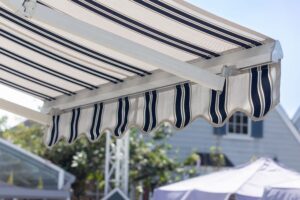
Why Proper Awning Storage Matters
Awnings provide shade, comfort, and curb appeal, but prolonged exposure to harsh weather can take a toll. Wind, moisture, freezing temperatures, and debris can cause fabric tears, frame damage, mold growth, and fading over time. Proper storage helps you avoid:
- Premature fabric wear and cracking
- Rust or corrosion on metal components
- Mold and mildew caused by trapped moisture
- Costly repairs or early replacement
By storing your awning safely during the off-season or extended periods of bad weather, you protect your awning’s appearance and functionality.
Step-by-Step Tips for Safe Awning Storage
Whether you have a retractable or patio awning, proper storage is essential to keep it working year after year. Generally, you should remove or retract your awning when it isn’t used for an extended period, especially before winter or during storm-heavy months. In coastal areas like Cape May and Ocean County, high winds and salty air make proper storage even more important. If your awning is retractable, it should be fully closed during storms. For stationary or seasonal awnings, removal and storage is often the best option. Some tips for safe storage include:
Clean Before Storing
Before you store (or retract) your awning, make sure it’s clean. Brush off loose dirt, leaves, and debris. Then, gently wash the fabric with mild soap and water. This prevents stains and reduces the risk of mold growth during storage.
Let It Dry Completely
Moisture is the biggest enemy of stored awnings. Always allow the fabric to dry completely before folding or rolling it up. Even small amounts of trapped moisture can lead to mildew or unpleasant odors.
Fold or Roll Carefully
If you don’t have a retractable awning, you’ll want to avoid sharp folds that can weaken the fabric or cause creasing. Roll the awning loosely if possible, keeping the fabric smooth and evenly supported. For framed awnings, disassemble components carefully and label parts to make reinstallation easier.
Choose the Right Storage Location
Store your awning in a dry, well-ventilated space, such as a garage, basement, or storage shed. Keep it off the ground and away from direct contact with concrete floors, which can hold moisture. If pests are a concern, use sealed storage bags or containers.
Protect the Frame and Hardware
Metal frames should be clean and dry before storing. Lightly lubricate moving parts to help prevent rust. If you’re going to store your awning for several months, check it periodically. Make sure the storage area remains dry and that no moisture or pests have found their way inside. This ensures your awning stays in excellent condition.
Protect Your Awning with Giglio Awning
Safe, secure storage is one of the simplest ways to extend the life of your awnings and keep them looking great. With the right preparation and care, your awnings will be ready to provide shade and comfort when warmer weather returns.
If you’re located in Cape May, Ocean, Burlington, or Monmouth Counties in New Jersey, Giglio Awning is here to help. Working with our experienced professionals ensures your awning is properly installed and maintained year after year. Contact us today to learn more about awning storage, care tips, and our services.